
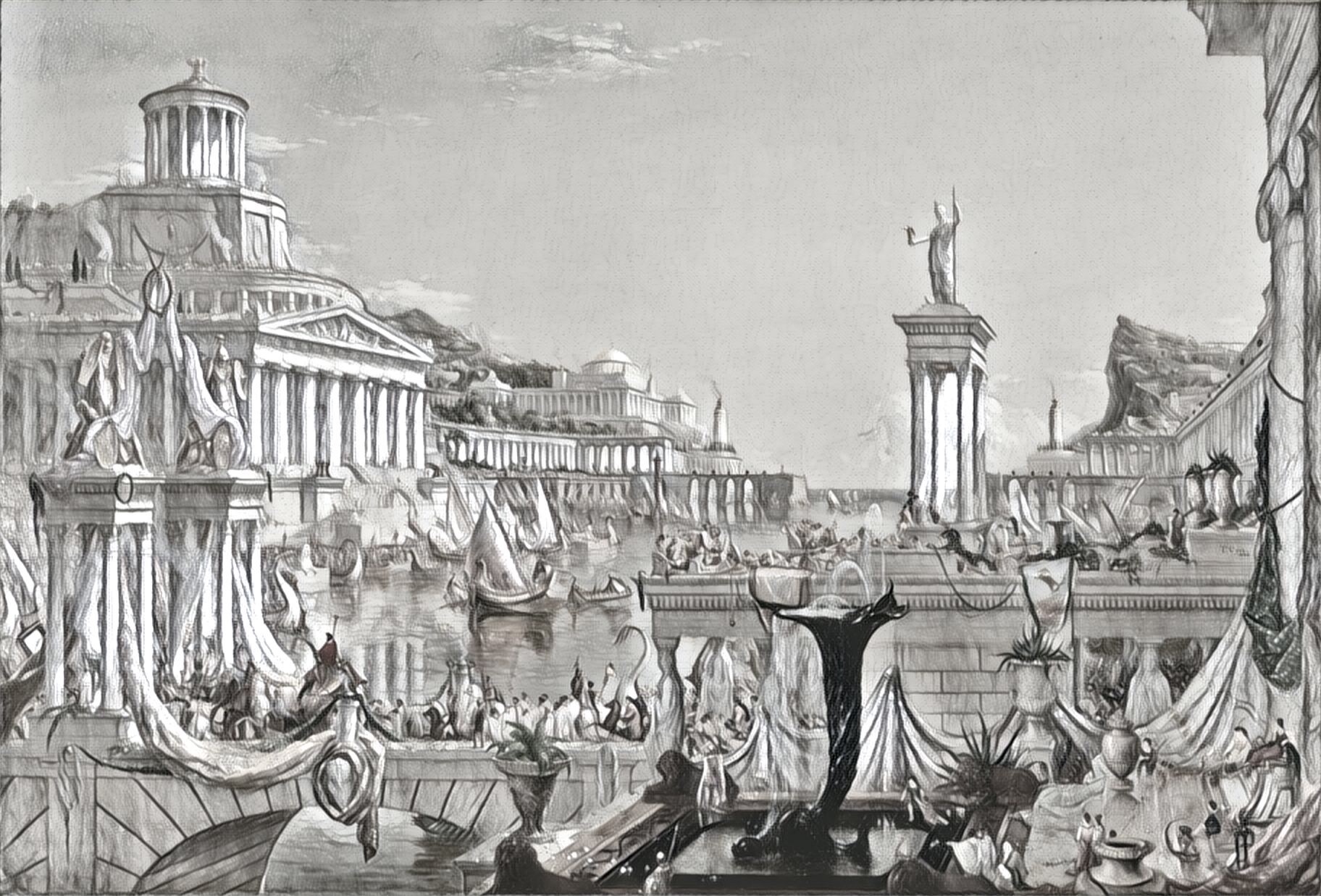
In the beginning, mankind was savage and poor. Before there was peace and abundance, men lived according to force and instinct. Food was scarce and warfare was constant. Life was dangerous and harsh. People struggled to survive. When insecurity and scarcity prevailed, people submitted to the rule of the strongest man.
Tribes with a common language united and settled under a single chief. Farmers began to produce a surplus of food. Many people obtained the necessities of life. Customs became fixed. Life became safer and more secure. When the chief drew his power not only from force, but also from the loyalty and affection of his people, he became a king.
Wealth and power was obtained by a few people. Those who accumulated too much of either became arrogant, and sometimes cruel. In time, the king became one of them. He then put himself and his favorites above everyone else. When the king violated the traditions of his people or wasted a great deal of wealth, he became a tyrant.
Sooner or later, the tyrant was resisted by his most powerful subjects. He was resisted for defying ancient custom or for wasting wealth. Sometimes he was replaced by his challengers. Other times he was forced to share power with them. When the challengers tried to establish law or restore custom, tyranny was subdued by aristocracy.
The aristocrats in turn soon became accustomed to privilege and status. They then cared more for power and prestige than anything else. Some of them became jealous of greater men. Some of them oppressed the poor and the weak. When many people came to resent the ruling upper class, aristocracy was perverted into oligarchy.
The people often resisted their rulers. But only those who supplied the military or paid taxes won the right to share in ruling. This only happened where many people acquired some wealth, so that there was a middle class. When a middle class took part in government with the upper class, alongside the oligarchy emerged democracy.
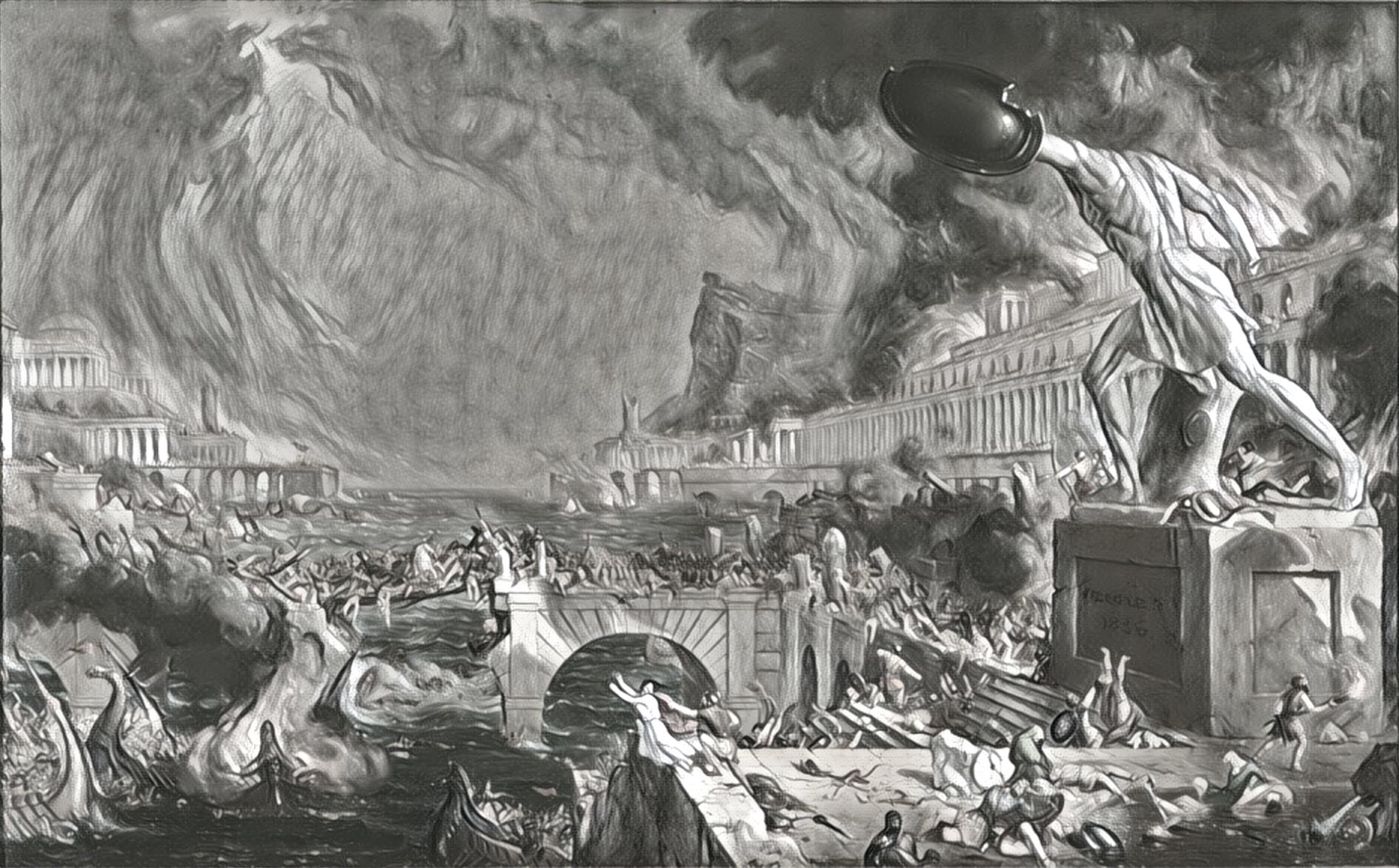
Over time, the rich grew in wealth, the poor in numbers. The middle class was ruined by inflation and debt. Customs faded. Insecurity returned. Many were seduced by popular leaders who promised relief and competed for power. When the middle class wasted and the poor were pitted against the rich, democracy turned into demagarchy.
Mankind’s occupations do not satisfy its preoccupations. Our chief preoccupation is to attain better status. When insecure, we struggle to be secure. When inferior, we want to be equal. And when equal, we wish to be superior. Our primary occupation is to obtain better surplus. We focus our energy on improving our technology and wealth. We focus on improving our surplus because it is the main way that we improve our status.
Humanity has done well in improving its surplus. But no matter how much wealth we acquire, we never finally satisfy our desire for better status. On the one hand, for some to be superior, most of us must tolerate being inferior. On the other hand, in order to preserve equality, we must all suppress the desire to be superior. The human race, with an insuppressible desire to improve its status, can balance neither equation forever.
After we acquire one level of status, we always desire a better level of status. Because of this, we are forever locked into a struggle. The constancy of human nature orders our struggle into a sequence. The impossibility of an ending bends this sequence into a cycle. We begin in a state of insecurity, soon establish security, in time celebrate equality, and finally battle for superiority. In the end we shall return to our original condition.
Accidents of history set the events of chance against the cycle. Still, chance does not break the cycle, it only distorts it. Looking back over a long enough time to average out the occurrences of chance, the cycle can be seen. While material progress trends upward, society advances through constant revolution. Human history thus traces a cycle made by our ambitions, ascending a path lain by our achievements, like a wheel rolling up a hill.
The cycle ran its course in classical antiquity. Rome provides the most perfect example of that time. The first kings were remembered with affection, the last kings with resentment. In the 5th century an aristocracy expelled the last tyrant. By the 4th century the people were in revolt against an oligarchy. The military organization in the 3rd century implies something of a middle class. The political organization of the 2nd century implies something of democracy. By the end of the 2nd century the middle class was ruined. By the beginning of the 1st century loyalty to the Roman state had been replaced by the patronage of the popular leaders. By the end of the 1st century authority in the Roman state had been vested in the emperors. From monarchy, though republic to empire, the cycle ran its full course in Rome, drawing the whole of the Mediterranean basin in its train and under its domain.
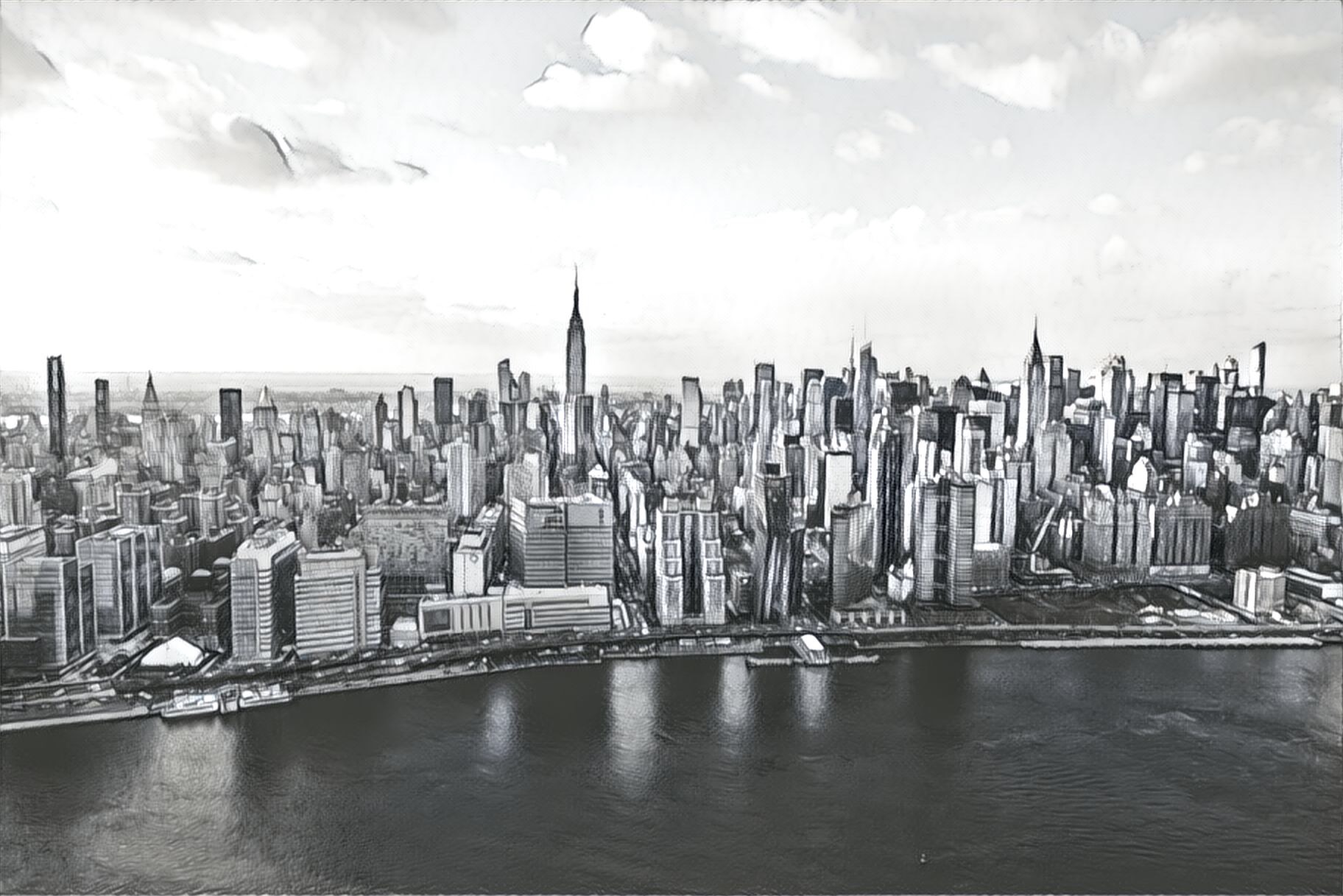
The cycle has nearly run its course in the west. England gives us the best example of our time. The first kings are known for being brave and wise. Their successors are known for being reckless and inept. In the 13th century an aristocracy subdued the monarchy. By the 14th century the people rebelled against the nobility. By the 17th century an oligarchy was firmly entrenched. In the 18th century a middle class was taking shape. In the 19th century democracy was taking effect. By the end of the 20th century the middle class was in decline. In the beginning of the 21st century the rich were growing in wealth and the poor were growing in numbers. By now it is clear that demagogues will grow in power as more people fall out of the middle class and rally against the rich. It also seems likely that this pattern will be followed wherever English is the prevailing language.
Anacyclosis is the cycle of political revolution. The complete cycle is not everywhere seen because most places in most times do not advance as far as democracy. Oligarchy is the ordinary condition of mankind. But wherever democracy does emerge, the cycle will, in time, complete its full course.
Democracy is created by the middle class. Democracy follows the middle class. It does not long survive, if it ever existed, without one. The emergence of democracy has been historically rare because the development of a middle class has been historically rare. Once they feel secure, citizens of the middle class will establish democracy by conditioning their contribution to the state upon the right to participate in its government. The right to participate will later expand to include most citizens of the state. When the middle class eventually declines and merges into the lower class, the right to participate will survive. After this happens, there will be a struggle against the upper class. There must be a struggle, because there will be many poor and few rich, with great animosity and insecurity, and all with a claim to govern. Ambitious men will see and exploit this state of affairs.
Demagogues will compete for the affection and loyalty of the common people. They will win that affection and loyalty through their promises to intercede against the rich on behalf of the people, and to look after their livelihood. Once the middle class has been diluted and the multitude has become accustomed to living off of others, the rule of the people will give way to the rule of the popular leaders. Whatever their rights, the dependence of the people will ensure their allegiance. The competition of popular leaders will, in turn, ultimately result in the emergence of a single leader. For this is the outcome of every tournament. Only time will tell by what accident of history the champion in that contest will be a warrior chief, benevolent king, or despotic tyrant. In any event, in the distant future, perhaps centuries from now, I believe it will be said that the cycle has run its full course again.
My interpretation of anacyclosis is derived from the model of Polybius and the theory of Aristotle. What I present here is a basic model of recurrence, supported by a basic theory of causation. Please forward a link to this website to everyone you know, and please feel free to write me with questions or feedback.
Here is a PDF of site content.
Here is the previous version of this site (2008, Flash).